
-
E-mail
sales@jujiuhouse.com -
Telephone
+86-17854044442
- Chinese
- French
- German
- Portuguese
- Spanish
- Russian
- Japanese
- Korean
- Arabic
- Irish
- Greek
- Turkish
- Italian
- Danish
- Romanian
- Indonesian
- Czech
- Afrikaans
- Swedish
- Polish
- Basque
- Catalan
- Esperanto
- Hindi
- Lao
- Albanian
- Amharic
- Armenian
- Azerbaijani
- Belarusian
- Bengali
- Bosnian
- Bulgarian
- Cebuano
- Chichewa
- Corsican
- Croatian
- Dutch
- Estonian
- Filipino
- Finnish
- Frisian
- Galician
- Georgian
- Gujarati
- Haitian
- Hausa
- Hawaiian
- Hebrew
- Hmong
- Hungarian
- Icelandic
- Igbo
- Javanese
- Kannada
- Kazakh
- Khmer
- Kurdish
- Kyrgyz
- Latin
- Latvian
- Lithuanian
- Luxembou..
- Macedonian
- Malagasy
- Malay
- Malayalam
- Maltese
- Maori
- Marathi
- Mongolian
- Burmese
- Nepali
- Norwegian
- Pashto
- Persian
- Punjabi
- Serbian
- Sesotho
- Sinhala
- Slovak
- Slovenian
- Somali
- Samoan
- Scots Gaelic
- Shona
- Sindhi
- Sundanese
- Swahili
- Tajik
- Tamil
- Telugu
- Thai
- Ukrainian
- Urdu
- Uzbek
- Vietnamese
- Welsh
- Xhosa
- Yiddish
- Yoruba
- Zulu
- Kinyarwanda
- Tatar
- Oriya
- Turkmen
- Uyghur




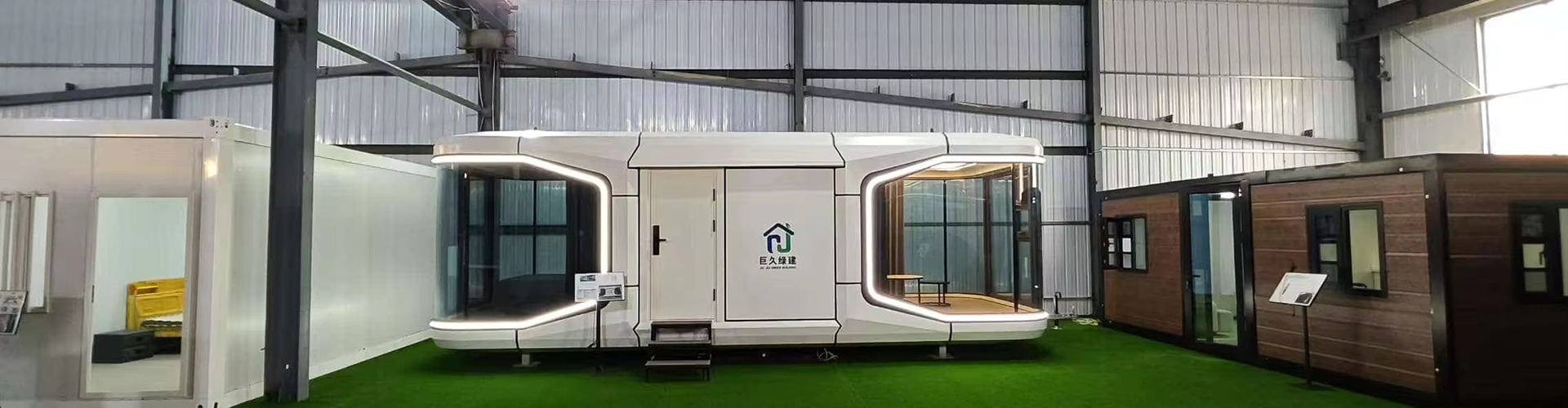
folding caravan container house
The Rise of Folding Caravan Container Houses: An Insider's Perspective
Folding caravan container houses have been gaining significant attention in recent times, yet many misconceptions persist. The common myth is that they’re simply a quirky trend lacking practicality, but my experience with these versatile structures suggests otherwise.
The Appeal of Portability and Flexibility
At the heart of the fascination with folding caravan container houses is their inherent portability. Unlike traditional housing, these units offer the possibility of relocation without the complexity. However, it's crucial to appreciate the technical nuances involved. Not every folding house maintains structural integrity after repeated moves, which is where industry expertise plays a role.
Having tested several models, I found that the build quality varies widely. For instance, units from established manufacturers like those available from Shandong Jujiu Integrated Housing Co., Ltd. (more on them later) often offer reinforced structures that handle movement better. It's essential to consider joint durability and the materials used, particularly for frequent relocations.
Surprisingly, not all potential buyers foresee every logistic challenge. Transport isn’t as simple as attaching the unit to a trailer hitch. Permits, route planning, and local regulations often complicate seemingly straightforward plans. A robust support system, sometimes provided by the manufacturers, becomes invaluable.
Beyond the Novelty: Practical Livability
The real test of any dwelling, folding or not, is livability. Beyond aesthetics, one must weigh factors like insulation, spatial design, and access to utilities. Shandong Jujiu Integrated Housing Co., Ltd. (https://www.jujiuhouse.com) often incorporates advanced insulation materials, which I've found are crucial for year-round comfort. Traditional caravans tend to suffer from extreme seasonal variations, something that these modern counterparts can better manage.
Space utilization in these homes is nothing short of an art. Efficient layouts often revolve around multipurpose furniture and cleverly integrated storage solutions. During one of my projects, transforming a compact unit into a cozy, functional space required more innovation than expected. Hidden storage compartments and foldaway systems are common themes, and their integration speaks volumes of the designer’s expertise.
Utility hookups remain a consistent hurdle. Ensuring access to water, electricity, and waste management systems can make or break the convenience factor. Solutions vary greatly depending on the location and intended use—from off-grid solar kits to municipal hook-ups. A reliable advisory from providers is often necessary to avoid pitfalls.
Structural Integrity and Material Considerations
When discussing container-based homes, one cannot overlook the materials. Steel structures boast undeniable strength but also pose challenges regarding weight. The light steel villa offerings from companies like Shandong Jujiu Integrated Housing Co., Ltd. demonstrate the balance between durability and transportability.
I recall an instance where we tested a unit’s weather resistance. Heavy winds and rainstorms, common in certain regions, revealed vulnerabilities in cheaper models. The choice of doors, windows, and the overall sealing technique played a pivotal role in the outcome. Partnering with a reliable manufacturer ensures that these critical areas meet or exceed safety standards.
Regular maintenance checks are non-negotiable, especially with frequent relocations. Stress points, such as folding mechanisms, warrant particular attention. Experiences from the field suggest investing in quality components pays off in the long run, both in repairs and longevity.
Eco-Friendly Innovations in Design
Environmental consciousness is reshaping the design of folding caravan container houses. Many contemporary models incorporate sustainable materials and energy-efficient solutions. The solar panel systems and rainwater reclamation strategies offered by Shandong Jujiu Integrated Housing Co., Ltd. are exemplary of this trend.
Implementing such features isn’t purely about ticking boxes for eco-friendliness. The real benefit is in reduced utility costs and an overall decrease in the carbon footprint. During a project in a remote area, the independence provided by self-sufficient energy systems proved invaluable, highlighting the practical benefits of going green.
However, integrating these elements into the limited space requires precision and careful planning, bringing us back to the importance of choosing experienced partners in the construction industry. Firms with a strong R&D focus often lead the pack in these innovations.
The Role of Customization and Personalization
Customization options have transformed folding caravan container houses from generic units to personalized homes. Clients often seek unique designs that reflect their lifestyles. For engineers and designers, this means a fine balance between creativity and structural feasibility.
During a recent collaboration, blending modern aesthetics with client specifications resulted in breakthroughs that were both challenging and rewarding. Incorporating a client's vision often necessitates bespoke solutions—a factor potential buyers should consider while evaluating costs and timelines.
Ultimately, the future of these structures seems promising in the expansive embrace of customization. Experience in navigating the logistical and technical challenges enhances the satisfaction of finally settling in a space that truly feels like home.
Related products
Related products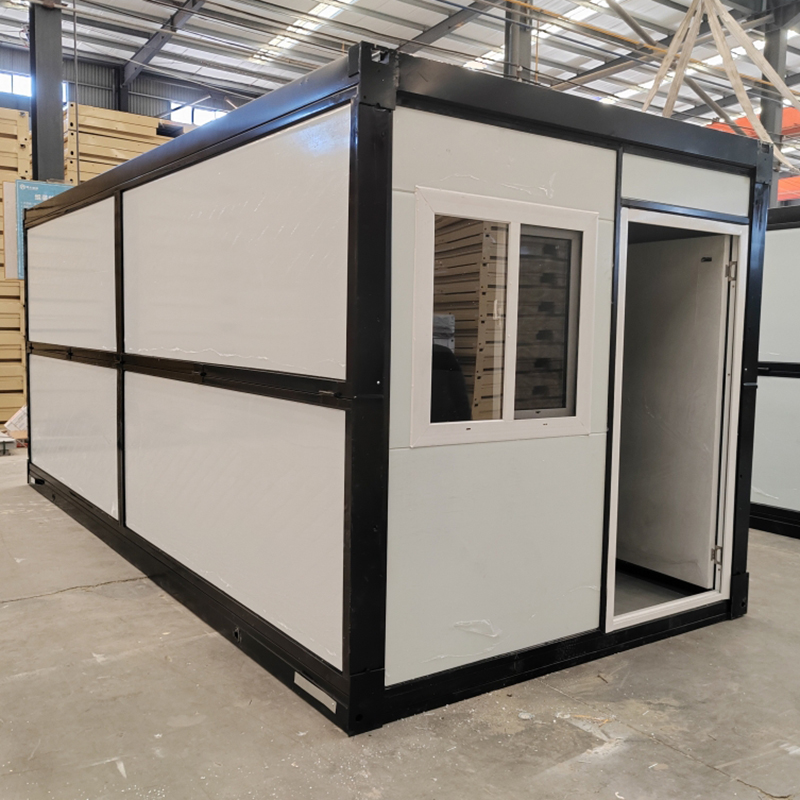
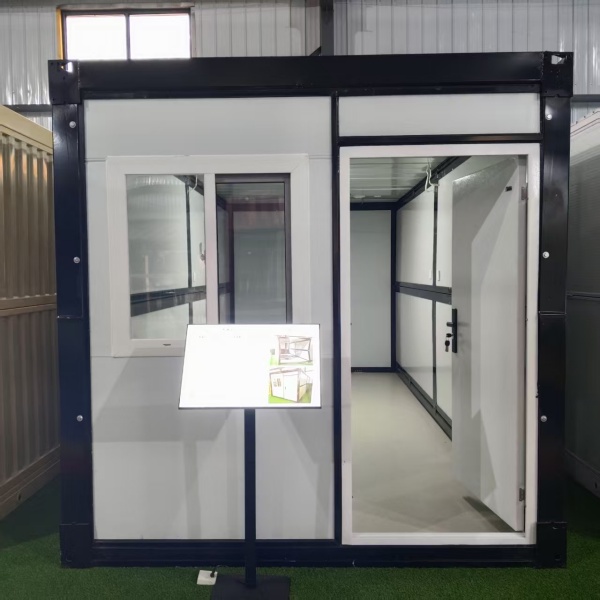
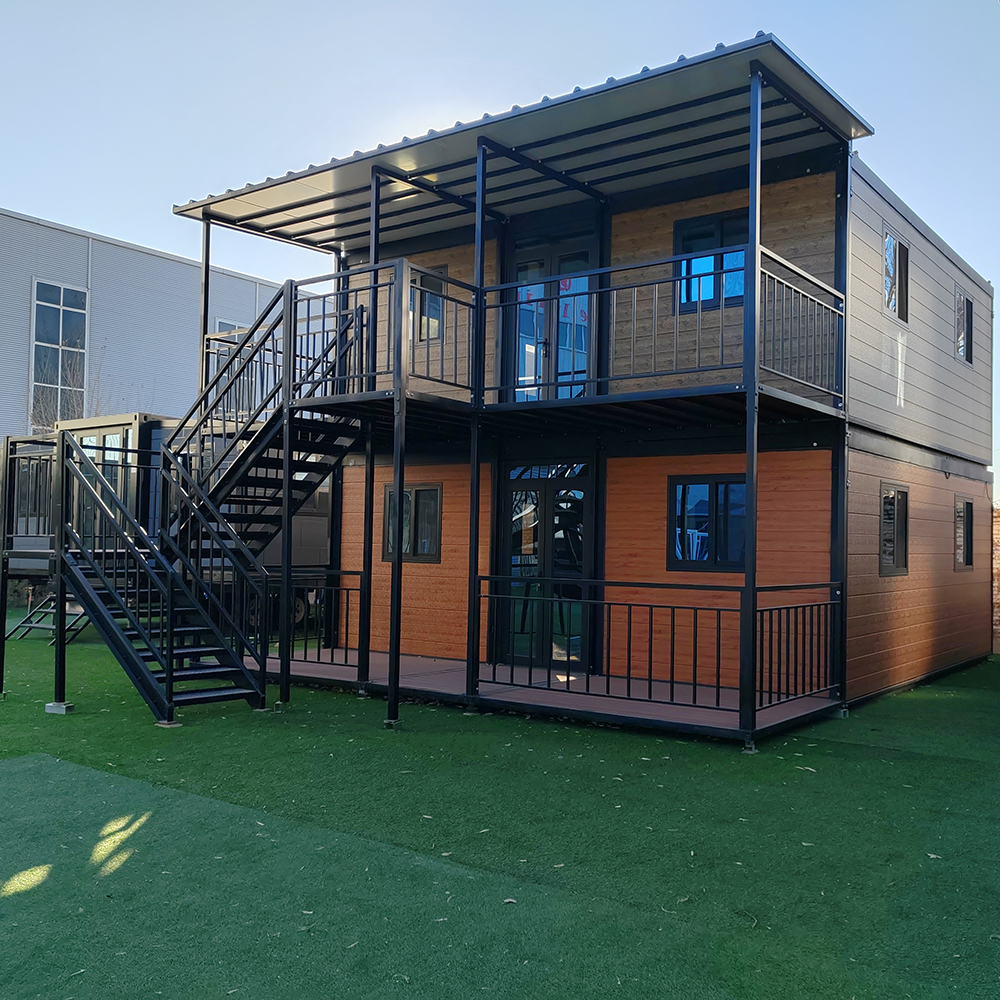
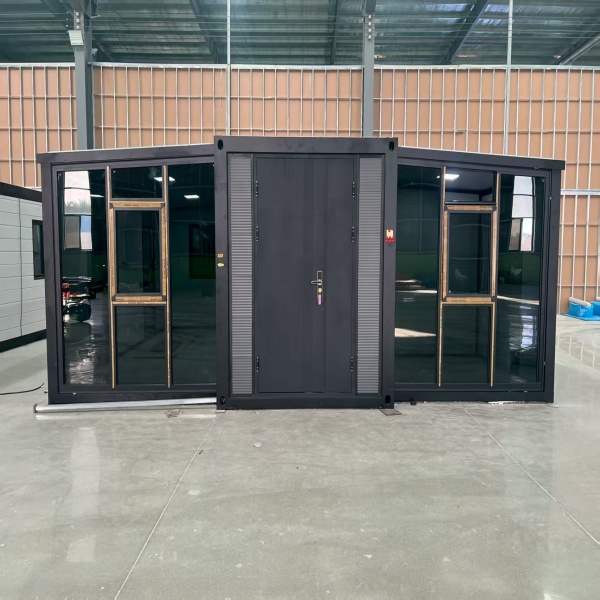
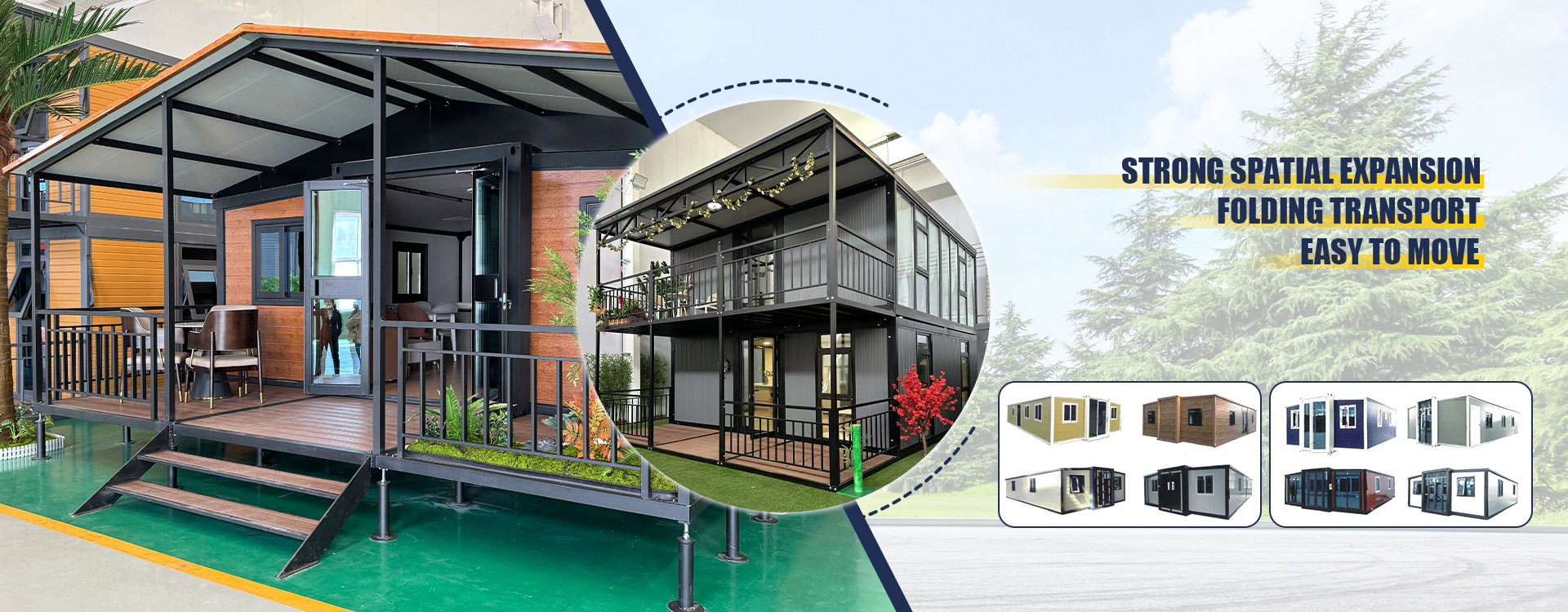
Best selling products
Best selling products-
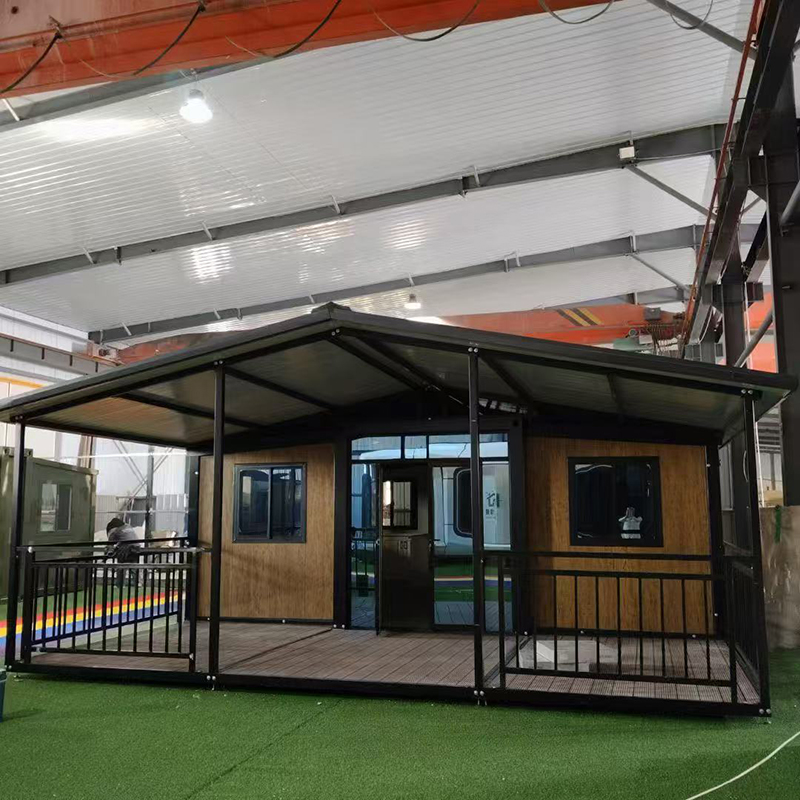 Customized Expandable Container House Holiday Home Folding Prefab Container House with Bathroom and Kitchen
 -
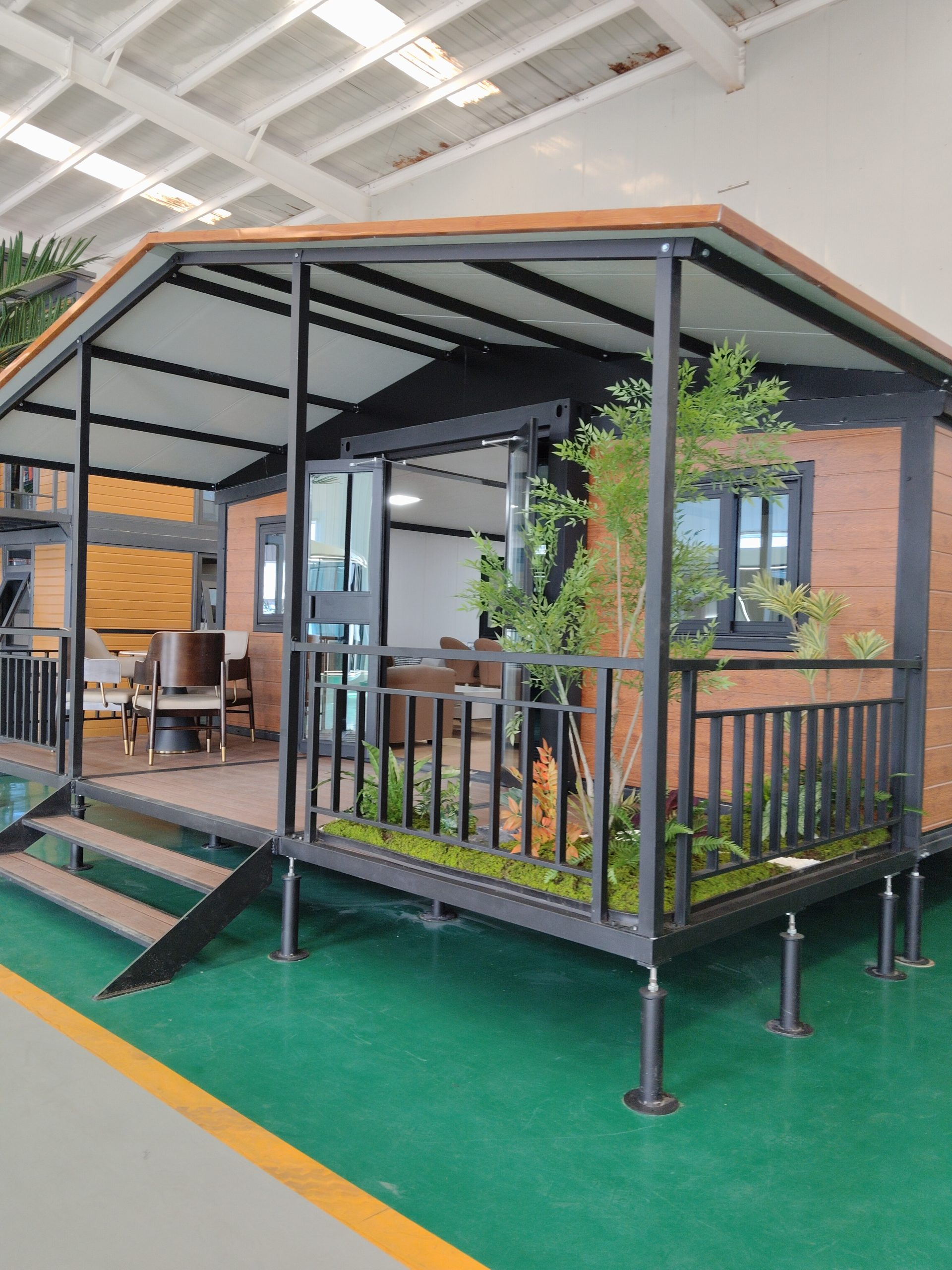 A container house with a terrace and double-wing folding design, suitable for various purposes such as offices, meeting rooms, living rooms, etc.
 -
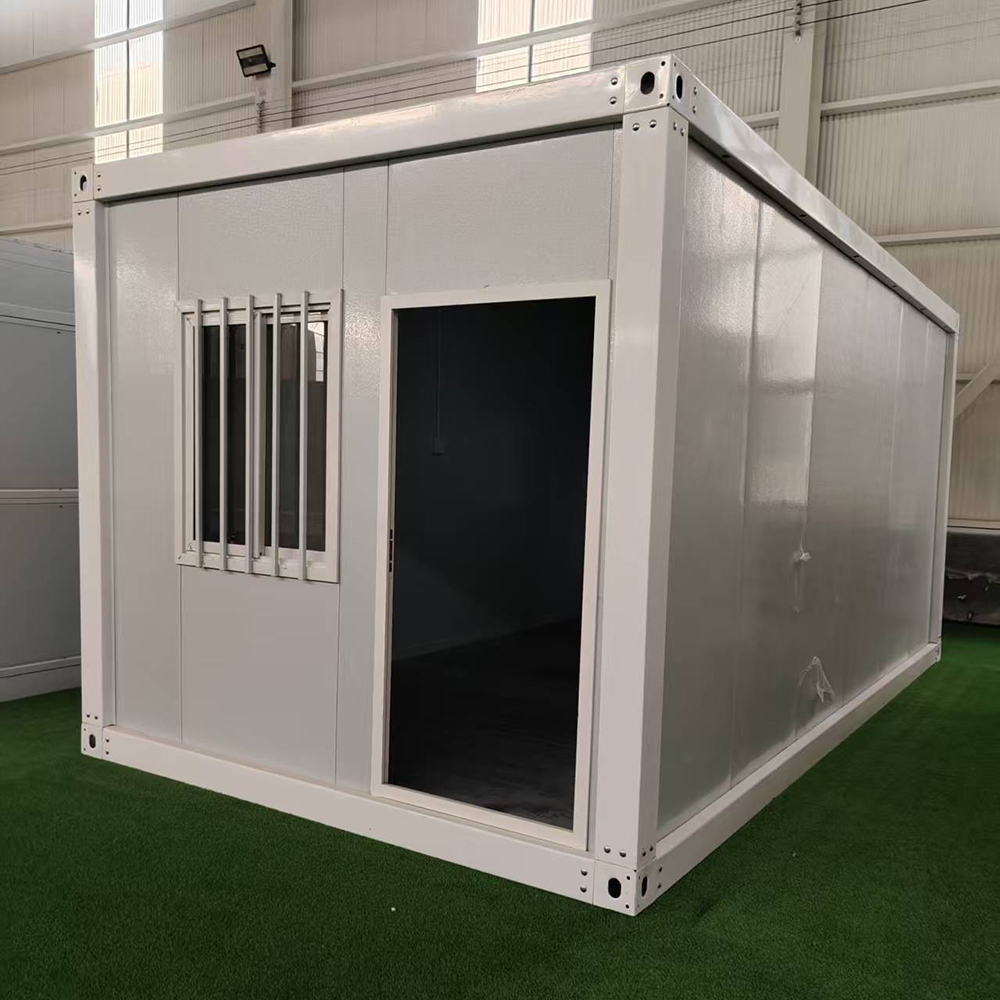 Folding Container Moving House Modular Office Container House Prefab Container for Outdoor Use
 -
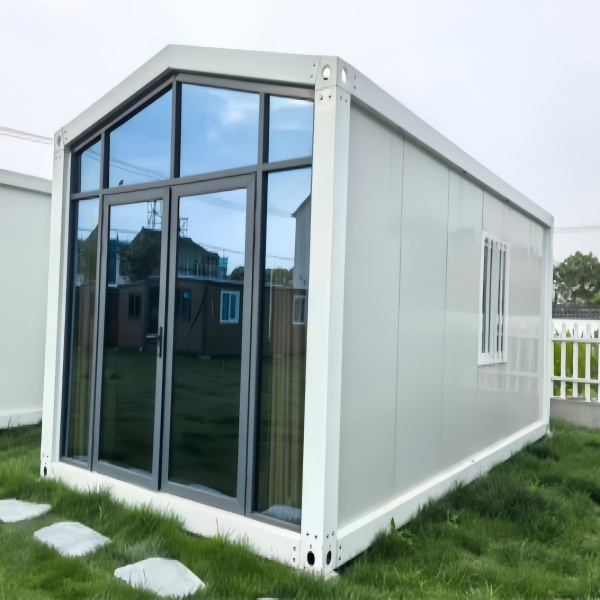 Waterproof folding container house – mobile accommodation for campsites/scenic spots
 -
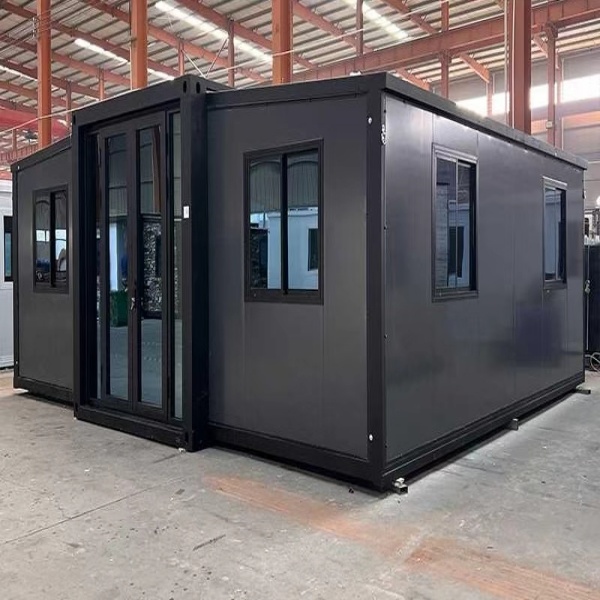 Dual-Wing Folding Container House: Fast Assembly, Space-Saving & Multi-Scene Adaptable
 -
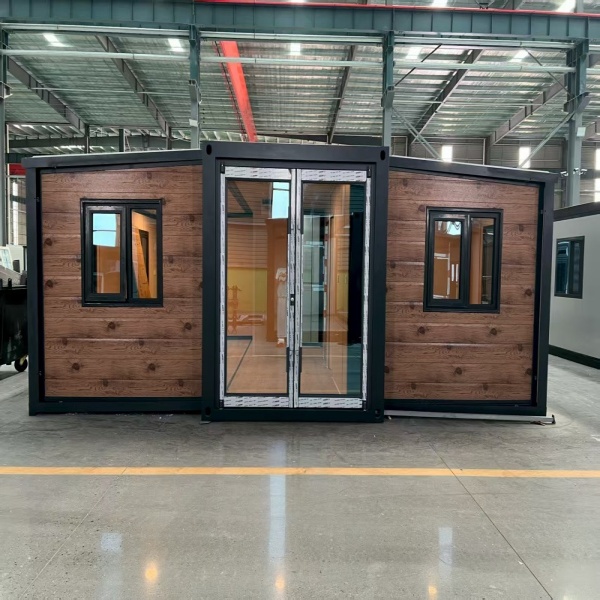 The foldable container house with side wing design can be quickly set up and is suitable for various environments.
 -
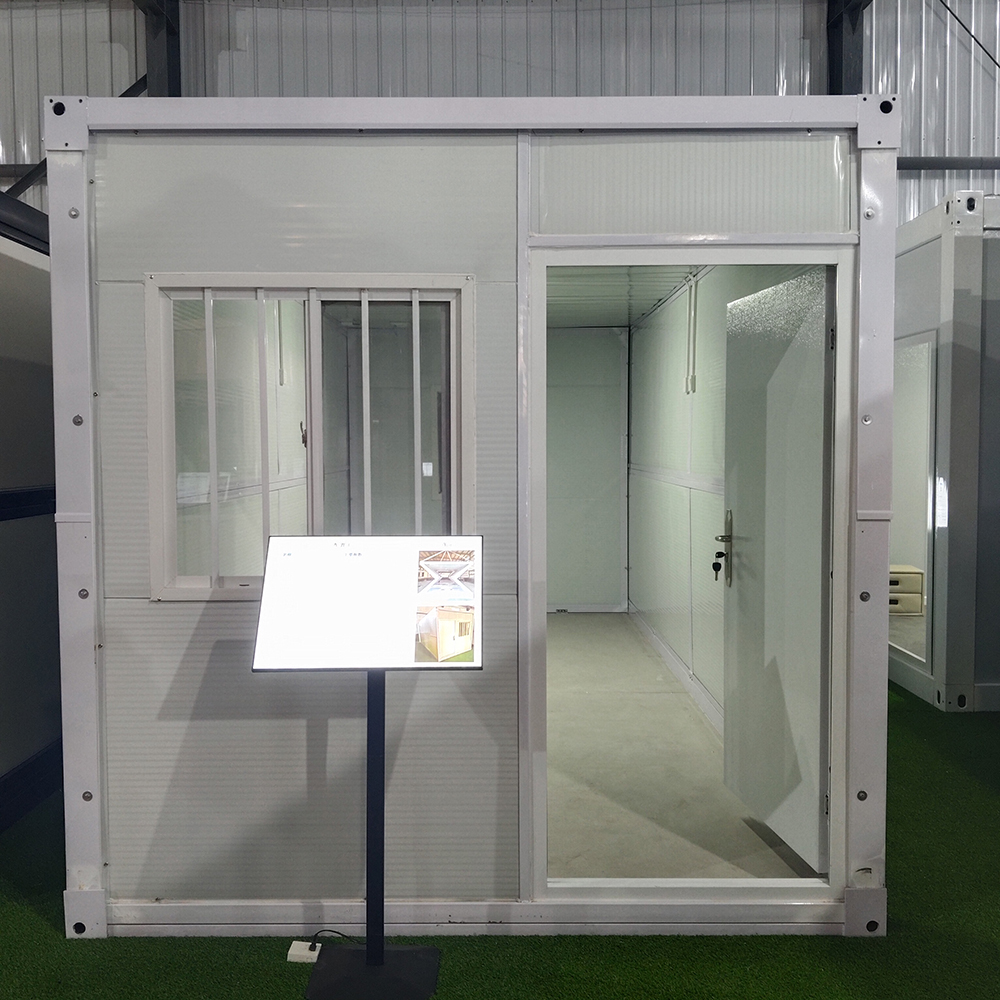 Reasonable Price 1 Bedroom Modular Container House Folding Container Home for Villa or Apartment Use
 -
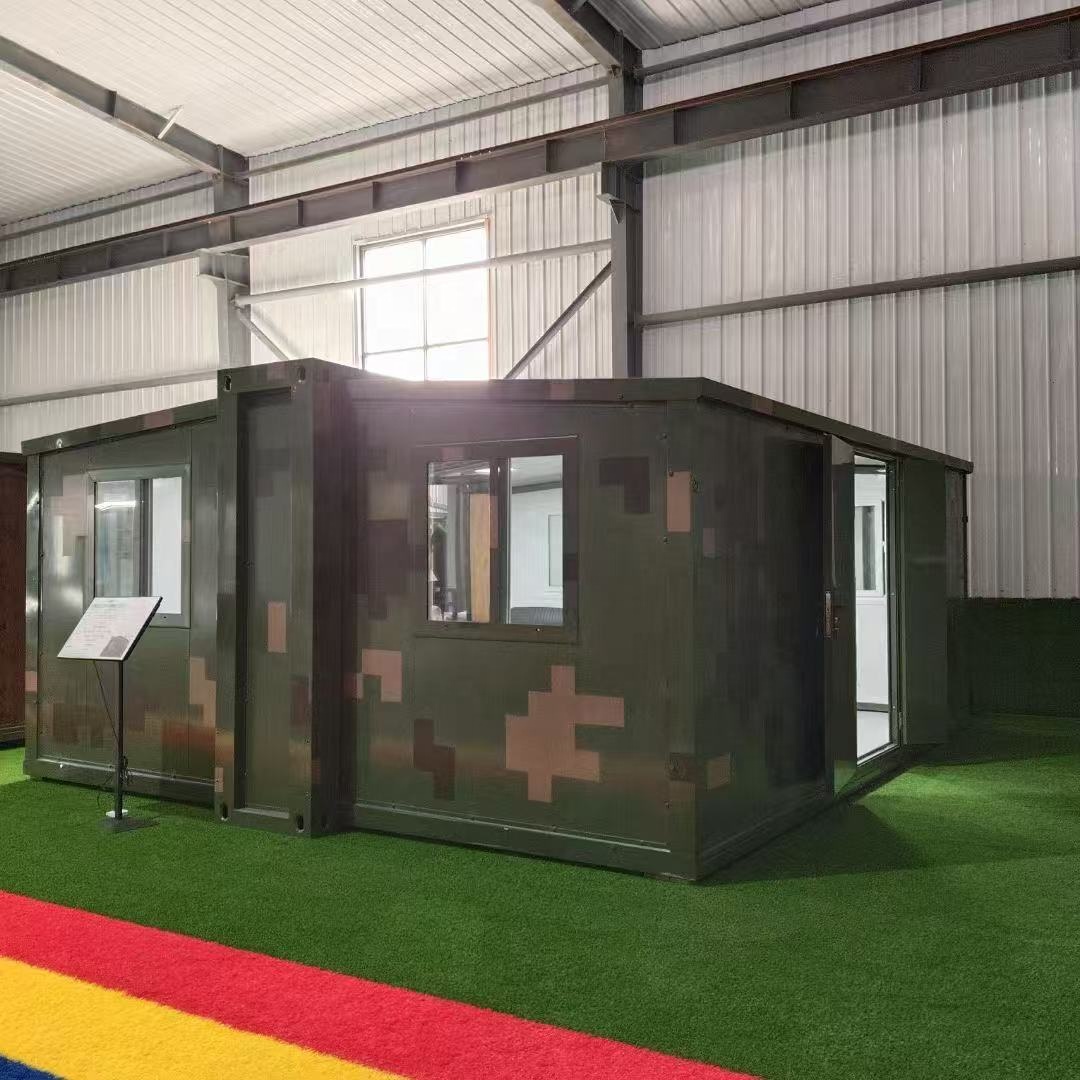 Movable Prefabricated Container House Villas Modular Portable Homes 1 Bedroom Container House Offices Apartments
 -
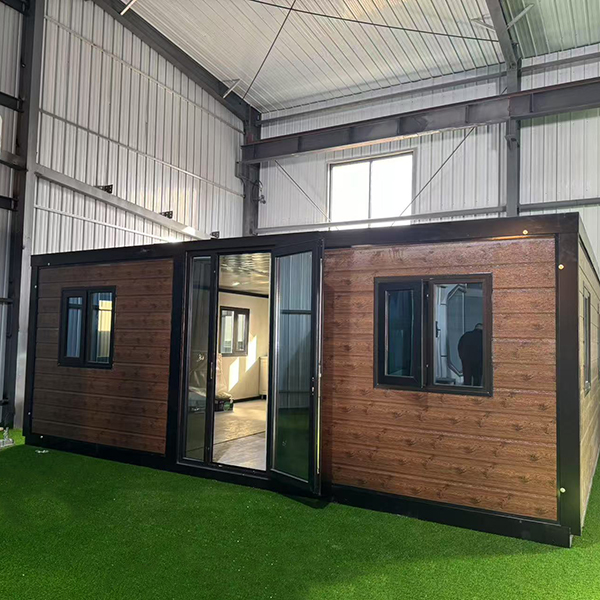 Good Quality Modular Homes Prefabricated House Expandable Container House 20FT Mobile Flat Roof House
 -
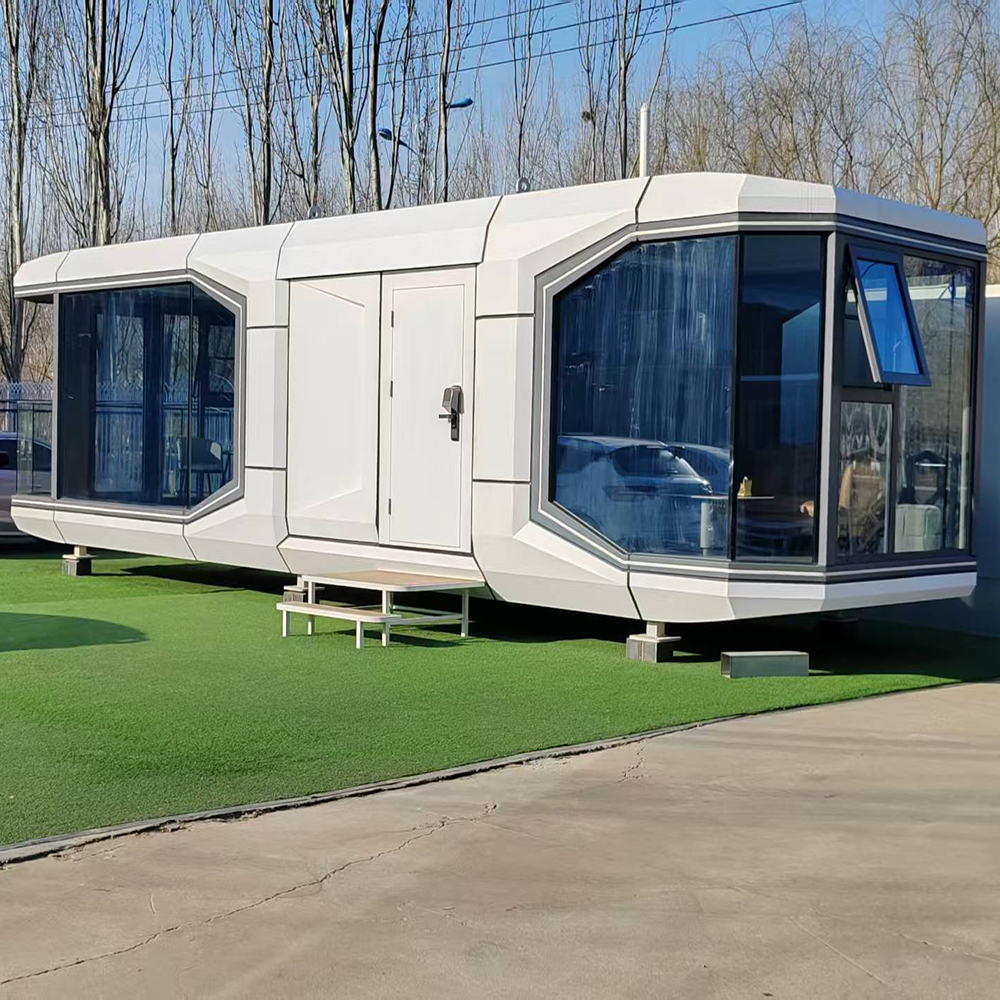 Luxury High Quality 2 Bedroom Container Home Prefabricated Steel Space Capsule for Office Shop Hotel or Outdoor House
 -
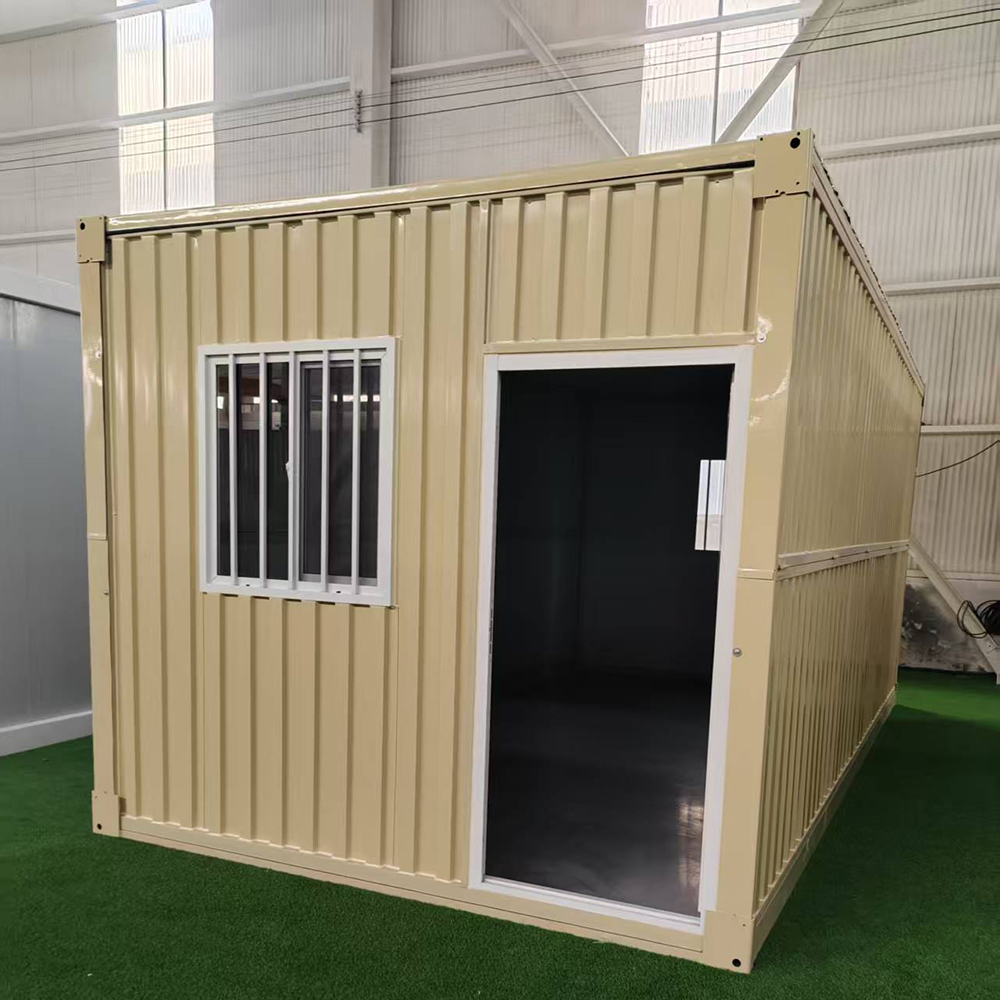 Competitive Price Portable Container House Foldable Container Mobile Living Modular Homes
 -
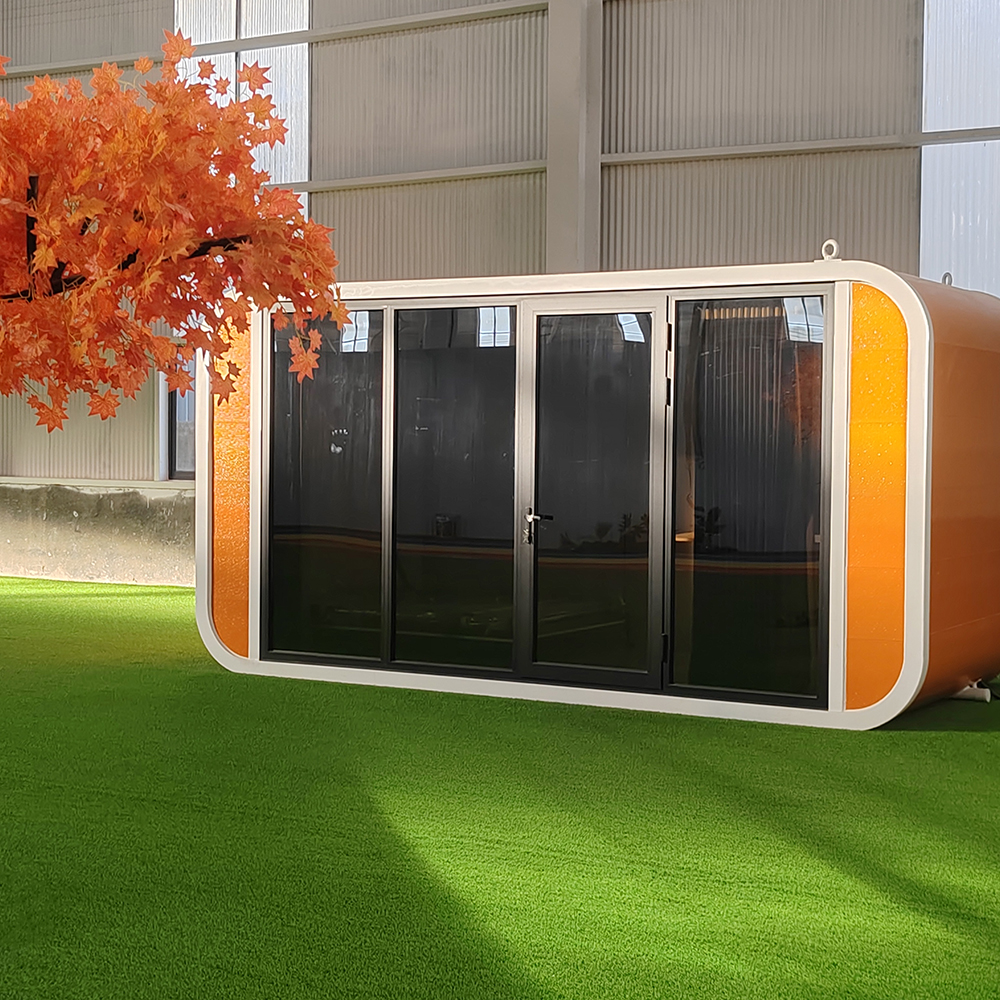 Luxury Prefabricated Living Container House Modular Glass Tiny House Prefab Container Home Apple Cabin