
-
E-mail
sales@jujiuhouse.com -
Telephone
+86-17854044442
- Chinese
- French
- German
- Portuguese
- Spanish
- Russian
- Japanese
- Korean
- Arabic
- Irish
- Greek
- Turkish
- Italian
- Danish
- Romanian
- Indonesian
- Czech
- Afrikaans
- Swedish
- Polish
- Basque
- Catalan
- Esperanto
- Hindi
- Lao
- Albanian
- Amharic
- Armenian
- Azerbaijani
- Belarusian
- Bengali
- Bosnian
- Bulgarian
- Cebuano
- Chichewa
- Corsican
- Croatian
- Dutch
- Estonian
- Filipino
- Finnish
- Frisian
- Galician
- Georgian
- Gujarati
- Haitian
- Hausa
- Hawaiian
- Hebrew
- Hmong
- Hungarian
- Icelandic
- Igbo
- Javanese
- Kannada
- Kazakh
- Khmer
- Kurdish
- Kyrgyz
- Latin
- Latvian
- Lithuanian
- Luxembou..
- Macedonian
- Malagasy
- Malay
- Malayalam
- Maltese
- Maori
- Marathi
- Mongolian
- Burmese
- Nepali
- Norwegian
- Pashto
- Persian
- Punjabi
- Serbian
- Sesotho
- Sinhala
- Slovak
- Slovenian
- Somali
- Samoan
- Scots Gaelic
- Shona
- Sindhi
- Sundanese
- Swahili
- Tajik
- Tamil
- Telugu
- Thai
- Ukrainian
- Urdu
- Uzbek
- Vietnamese
- Welsh
- Xhosa
- Yiddish
- Yoruba
- Zulu
- Kinyarwanda
- Tatar
- Oriya
- Turkmen
- Uyghur




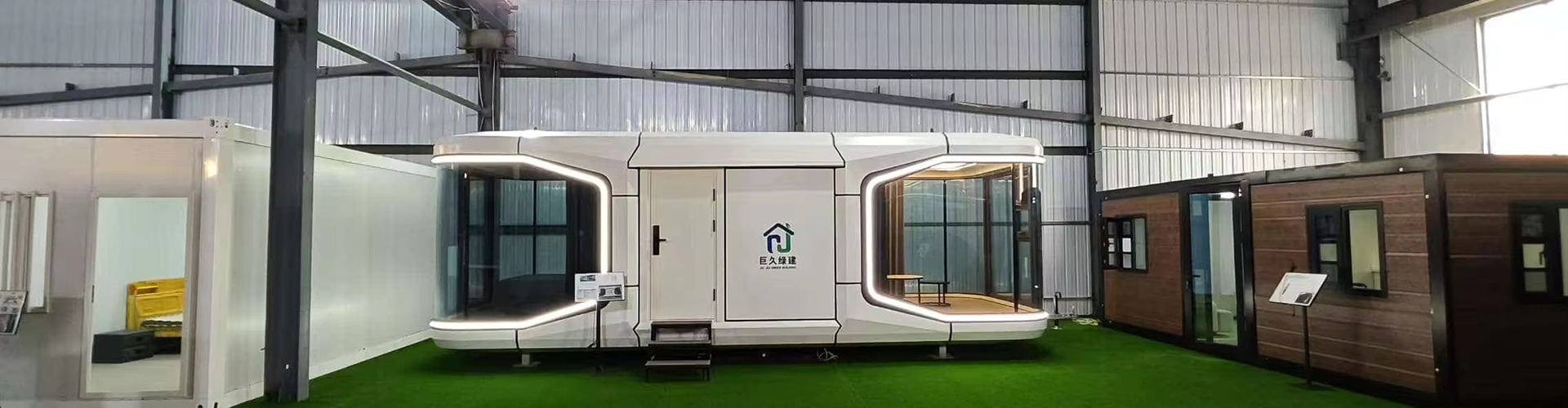
fold out tiny home
The Fascination of Fold Out Tiny Homes
Fold out tiny homes are reshaping the way we think about space and mobility. They offer a compelling mixture of innovation and practicality, allowing for compact living solutions that can be expanded when and where needed. But what exactly makes them so unique, and why are they gaining traction? Let's unpack some of the realities and intricacies behind these portable marvels.
Understanding Fold Out Design
When we talk about fold out tiny homes, we're addressing a fascinating interplay between design ingenuity and engineering. These homes efficiently compress usable space without compromising comfort. Yet, it’s not all straightforward. Various design pitfalls can appear during the process, especially in how the folding mechanisms are engineered. For instance, improperly balanced structures can lead to uneven wear and could necessitate frequent adjustments.
Professionals in the industry, like Shandong Jujiu Integrated Housing Co., Ltd., bring pivotal expertise here. As a rising entity in the integrated housing industry, they’re spearheading innovations that optimize space without forfeiting structural integrity. Their approach emphasizes collaborative R&D to ensure each design serves both form and function.
Take the issue of insulation as an example. In many tiny homes, effective temperature control often poses challenges. A fold out design demands advanced materials that can expand and contract without losing insulating properties – a complex requirement that requires deep technical knowledge and often sets experienced manufacturers apart.
Portability Meets Versatility
Portability is a significant allure for fold out designs. Unlike traditional structures, these homes can transition across landscapes, catering to nomadic lifestyles. However, the process isn’t always seamless. Transport must consider the durability of the folded structure and factors like localized weather patterns or terrain might affect relocation.
Jujiu Integrated Housing has tackled such logistic hurdles, creating units efficient in setup and robust against repeated movements. Their projects highlight how thoughtful engineering can damper these challenges, making sure each movement doesn’t shorten a unit’s lifespan.
Moreover, the transformation from compact to habitable space can’t be an afterthought. The mechanisms involved—often hydraulic or mechanical—must be intuitive and maintainable. Yet, too many moving parts can invite failure, a dilemma engineers often grapple with.
Tackling Construction Challenges
The construction of fold out tiny homes differs significantly from conventional buildings. The choice of materials, for one, is broader. From lightweight composites to sturdy metals, each brings specific trade-offs related to cost, weight, and strength.
There’s also an aspect of customization in these homes that shouldn't be overlooked. People often seek tailored solutions that typical market options do not provide. Customization infuses personality into these units but comes with its own set of challenges—most scenically the potential for bloated budgets.
Shandong Jujiu Integrated Housing Co., Ltd. delivers here again, employing flexible production processes that adapt to various customer specifications while maintaining quality control across projects. This flexibility can often mean the difference between a simple shelter and a home that truly reflects its owner’s lifestyle.
Sustainability Aspects
Environmental considerations form a crucial part of any tiny home conversation. Fold out homes, by their nature, can support sustainable living practices. Minimized spaces imply less energy consumption, but sustainable solutions should extend beyond mere scale.
Incorporating renewable energy sources such as solar panels can elevate a fold out home's autonomy. Yet, integrating these systems has a learning curve. Not all geographic locations support solar efficiency, for example, and planning the installation becomes an essential puzzle piece.
Moreover, utilizing eco-friendly materials in the folding structure itself can reduce environmental impact. This aspect is seeing significant exploration from companies like Jujiu Housing, which balances innovation with environmental responsibility in its diverse construction projects.
Financial Considerations
The economic side of fold out tiny homes attracts diverse buyers, from minimalists to seasoned investors. Their cost-effectiveness roots back to reduced materials and labor during production. However, potential owners face underlying expenses.
Transport logistics, maintenance of folding mechanisms, and regulatory fees are just a handful of the financial considerations that surface in real-world applications. Navigating these details requires foresight, often delineating seasoned manufacturers from newcomers.
Shandong Jujiu Integrated Housing Co., Ltd.'s approach to these economic nuances illustrates viable pathways. Through their inclusive process—from design to installation—they manage associated costs effectively, offering clients clarity in their investment.
Related products
Related products
Best selling products
Best selling products-
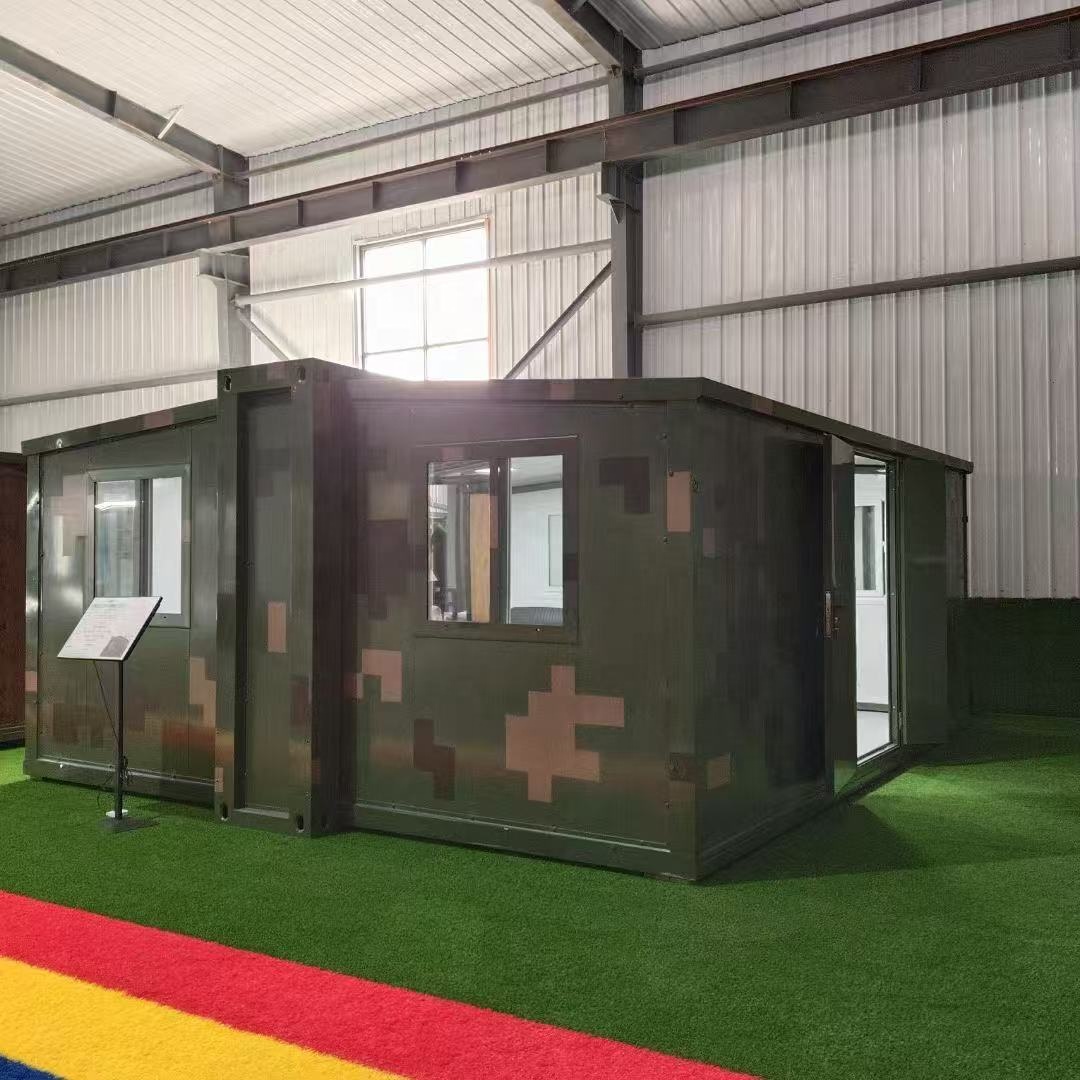 Movable Prefabricated Container House Villas Modular Portable Homes 1 Bedroom Container House Offices Apartments
 -
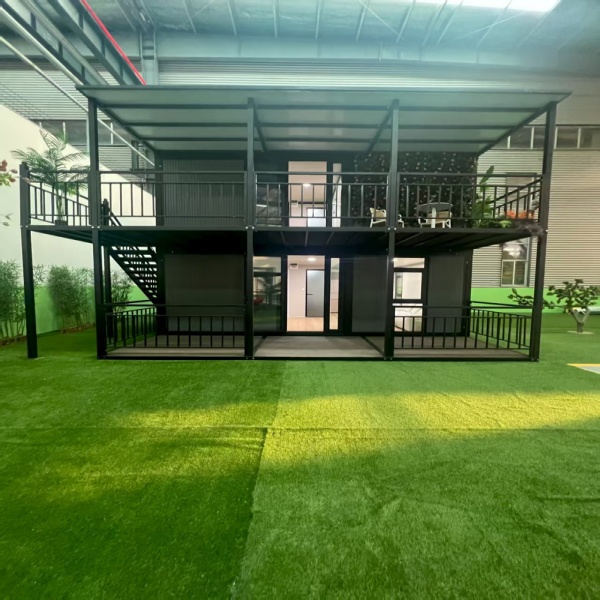 Luxury foldable two-story container houses in luxury resort hotels and villa hotels
 -
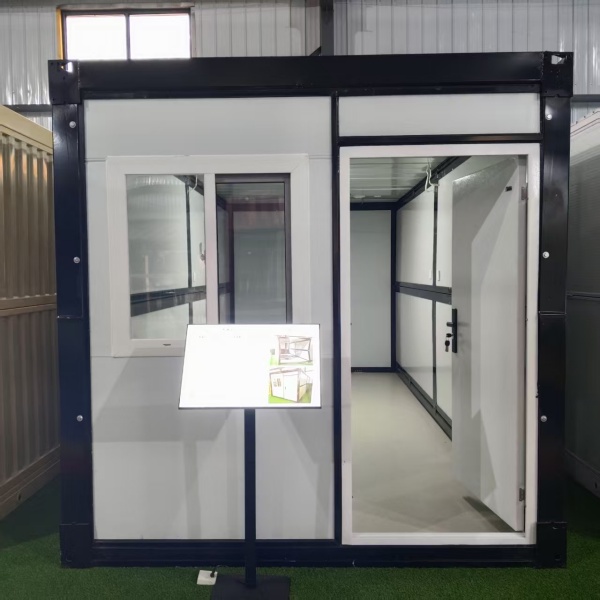 Hot-selling foldable container houses, expandable prefabricated houses, suitable for office or living use, with fast delivery.
 -
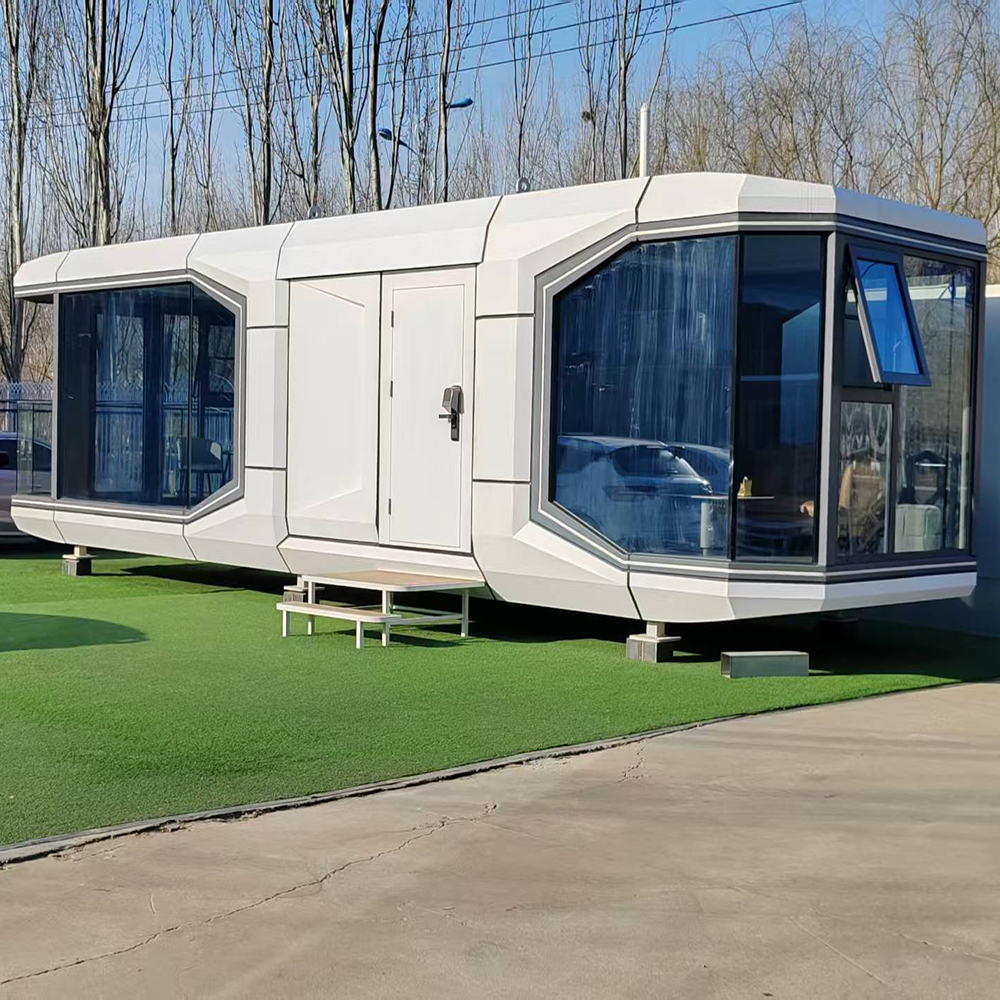 Luxury High Quality 2 Bedroom Container Home Prefabricated Steel Space Capsule for Office Shop Hotel or Outdoor House
 -
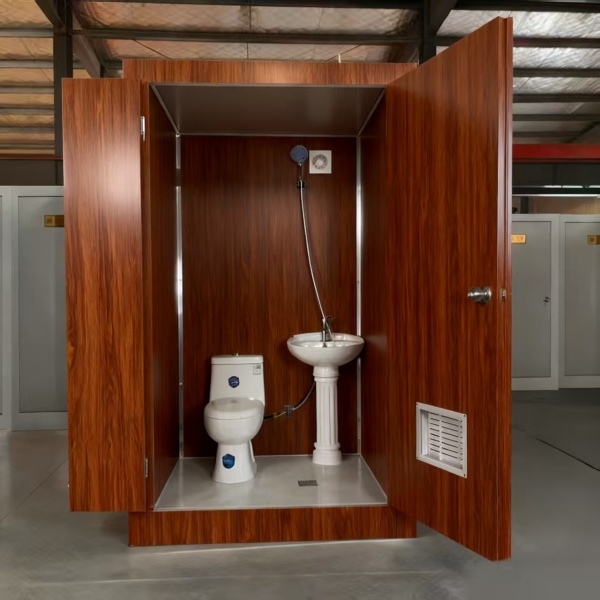 Portable outdoor camping bathroom, mobile toilet, prefabricated modular villa & rental of outdoor and indoor showers
 -
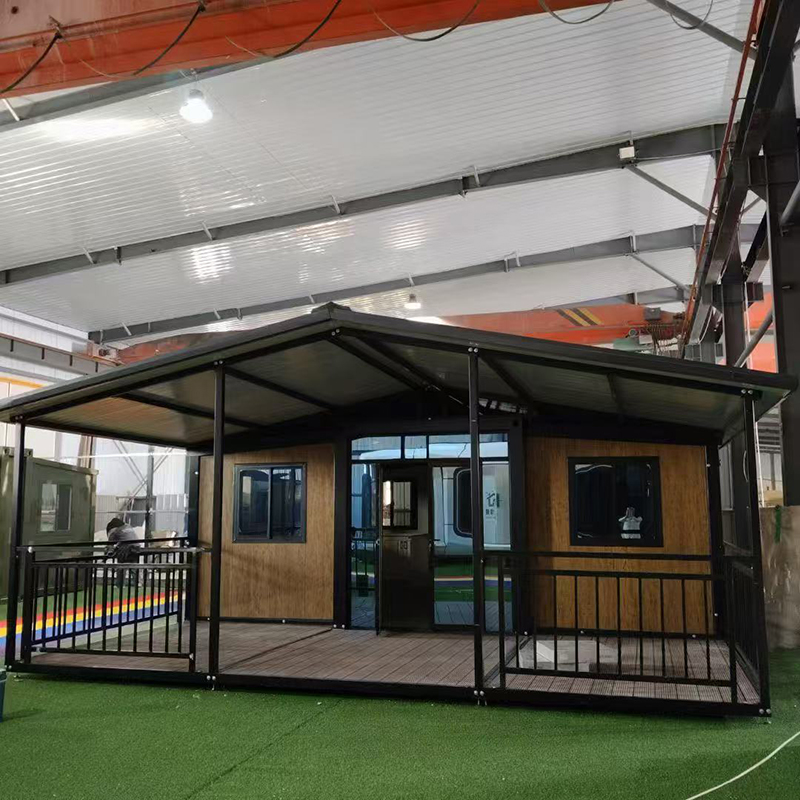 Customized Expandable Container House Holiday Home Folding Prefab Container House with Bathroom and Kitchen
 -
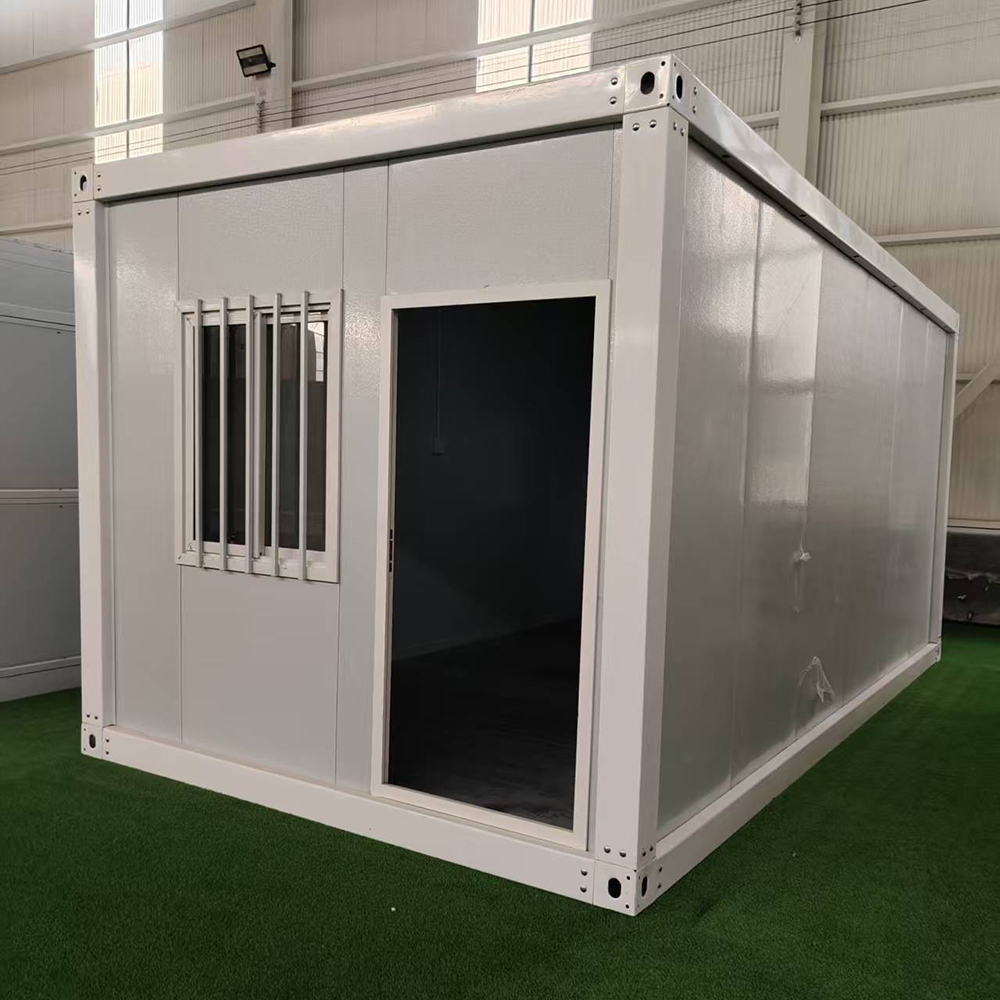 Folding Container Moving House Modular Office Container House Prefab Container for Outdoor Use
 -
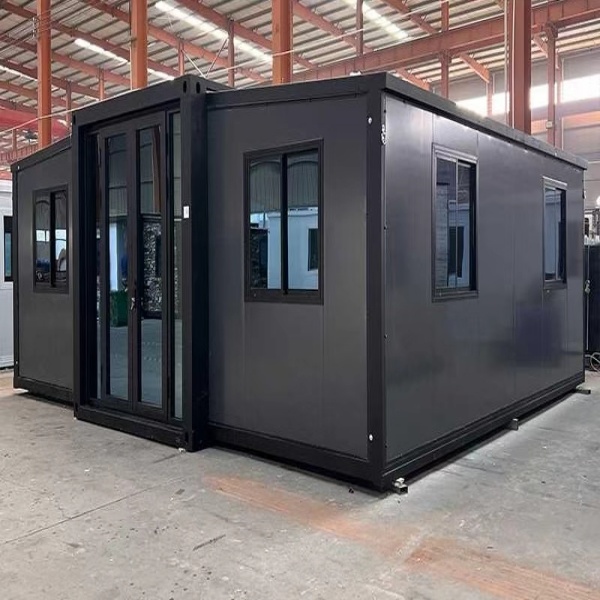 Dual-Wing Folding Container House: Fast Assembly, Space-Saving & Multi-Scene Adaptable
 -
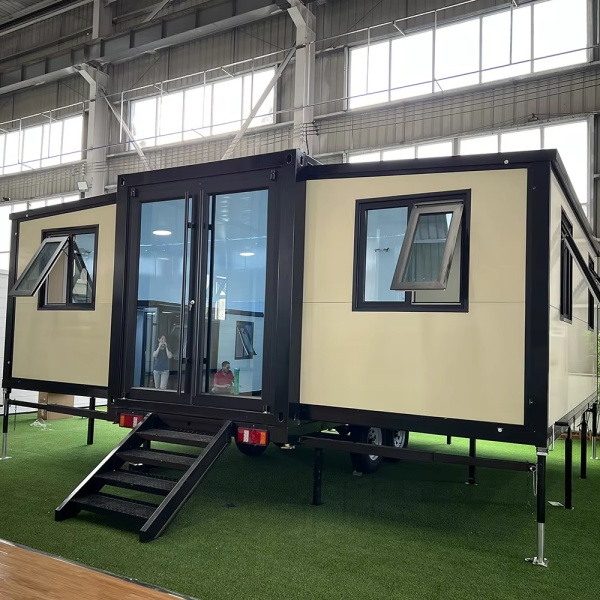 Stair Access Double Wing Expandable Container House | Easy Installation Mobile Office
 -
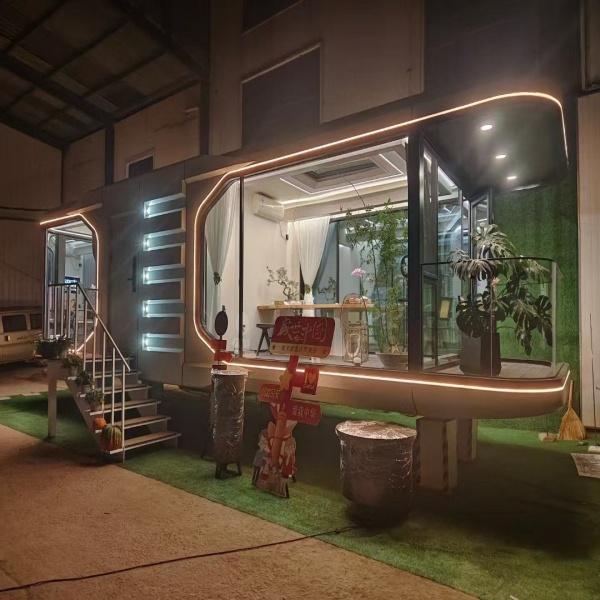 Outdoor ecological capsule rooms, luxury pods, space capsule hotel rooms, prefabricated space capsules, container houses
 -
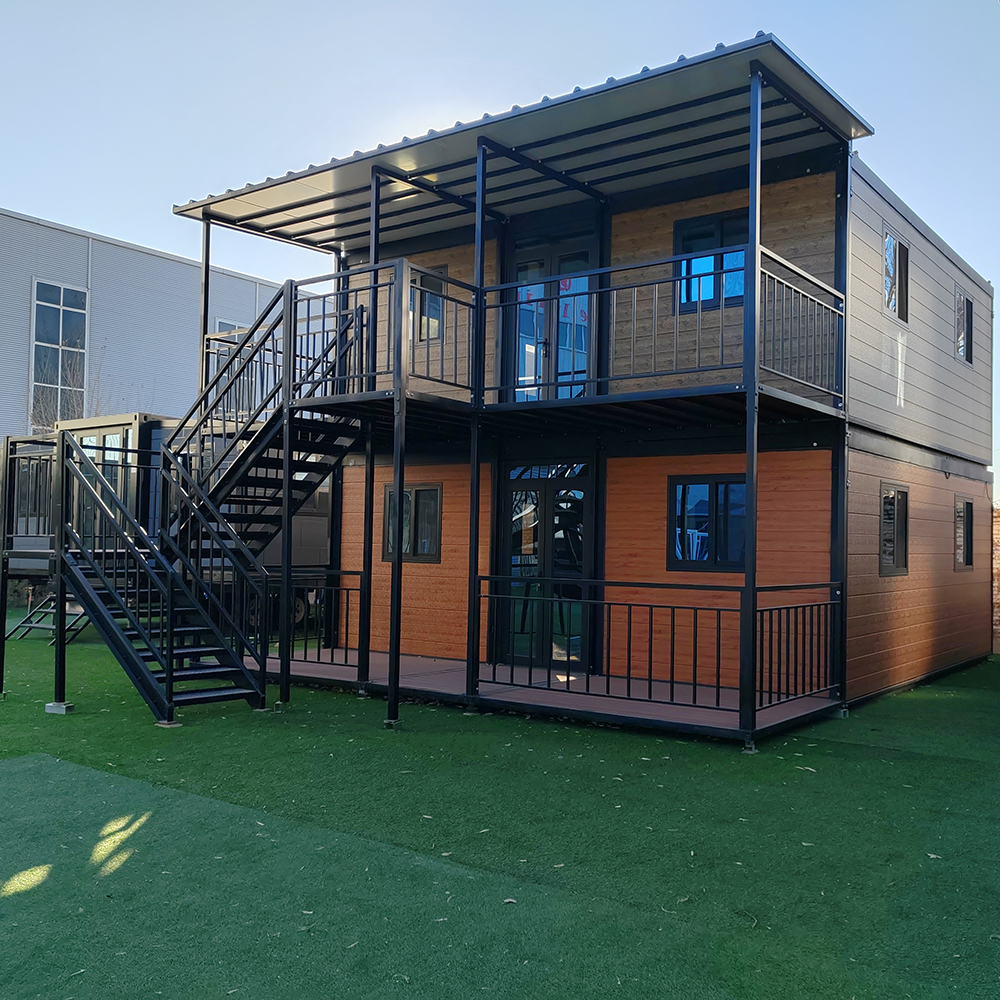 Easy Install Customized Detachable Container Homes Extendable House Prefab 2 Floors Expandable Container House
 -
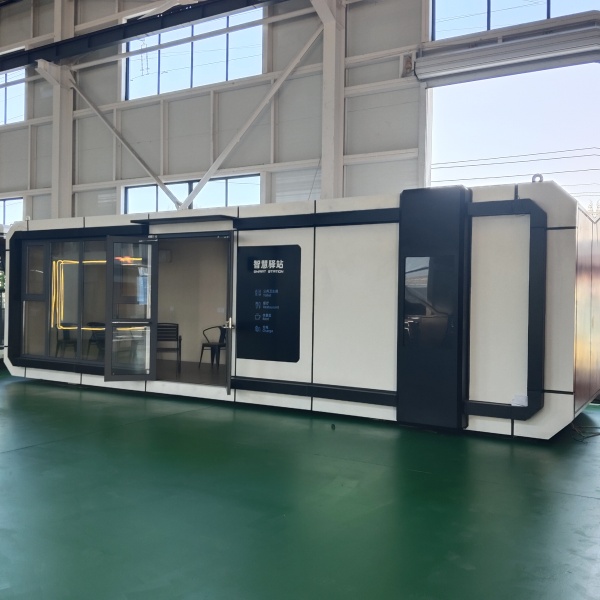 Modular modern movable apple cabins, customized high-end folk houses and portable bedrooms, delivered as a whole